.svg)
.svg)
.svg)


Designing Playgrounds for Every Age Group
Great playgrounds do more than provide a place to play. They create opportunities for children to grow, explore, and develop new skills at every stage of childhood.
As children grow, their physical abilities, social interactions, interests, and developmental needs change. A playground that challenges and engages a toddler may not offer the same value to an elementary-aged child, while older children often seek entirely different experiences. That's why thoughtful playground design considers the needs of multiple age groups to create environments where children can thrive.
By incorporating age-appropriate play opportunities, communities can create spaces that encourage active play, support development, and provide meaningful experiences for children of all ages.
Why Age-Appropriate Design Matters
Children develop at different rates throughout childhood. Their strength, coordination, confidence, problem-solving abilities, and social skills evolve over time, influencing how they interact with play environments.
Designing with age groups in mind helps ensure that children encounter play experiences that are both engaging and developmentally beneficial. A well-planned playground can support a wide range of users while encouraging continued exploration and growth.
Play for Ages 6-23 Months: Supporting Early Discovery
The first two years of life are filled with rapid growth and development. During this stage, children are learning foundational skills such as crawling, standing, walking, grasping, and communicating with caregivers.
Play environments designed for ages 6-23 months focus on exploration, sensory engagement, and early movement experiences.
Key features may include:
-
Ground-level play activities
-
Sensory panels and tactile experiences
-
Low platforms and ramps
-
Gentle climbing opportunities
-
Interactive sounds and textures
-
Spaces that encourage caregiver interaction
These early play experiences help support cognitive, sensory, social-emotional, and physical development while encouraging curiosity and confidence. Because children in this age range often play alongside caregivers, layouts should prioritize accessibility, visibility, and opportunities for shared interaction.
By providing developmentally appropriate experiences for infants and toddlers, communities can create spaces that support learning and discovery from the very beginning.

Play for Ages 2-5: Building Foundational Skills
Early childhood is a time of discovery. Young children are learning how to move their bodies, interact with others, and understand the world around them.
Play environments designed for ages 2-5 often focus on:
-
Low-level climbing opportunities
-
Easy-to-navigate pathways and platforms
-
Slides designed for younger users
-
Sensory-rich play experiences
-
Imaginative and dramatic play elements
-
Interactive panels and activities
At this stage, play supports the development of balance, coordination, language, creativity, and social interaction. Children are building confidence as they learn new skills and gain independence through play.
Open layouts and caregiver-friendly designs also help support supervision and shared play experiences between adults and children.
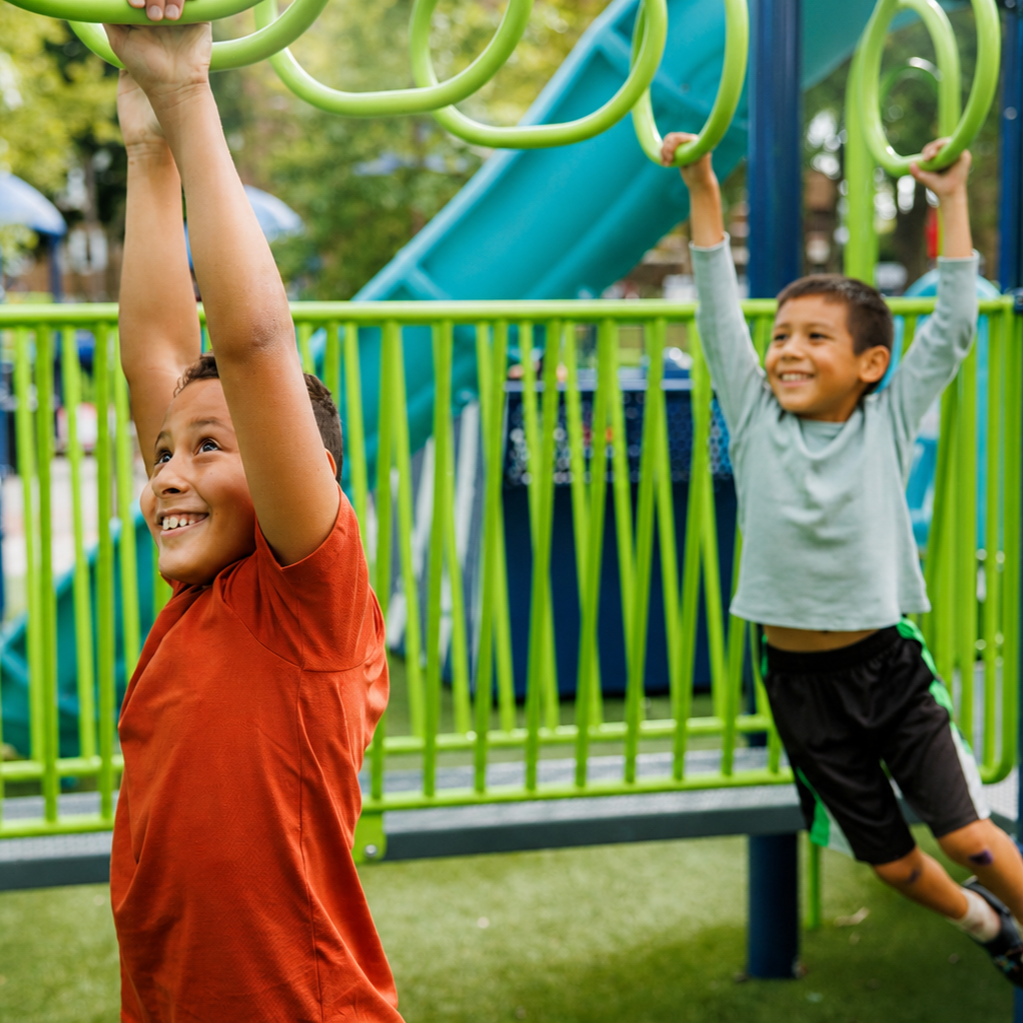
Play for Ages 5-12: Encouraging Challenge and Exploration
As children grow, they become more adventurous and capable of navigating increasingly complex play environments.
School-aged children often seek opportunities to:
-
Climb higher
-
Move faster
-
Test their abilities
-
Solve problems
-
Engage in group play
-
Create imaginative adventures
Playgrounds designed for this age group may include:
-
Multi-level play structures
-
Climbers and overhead activities
-
Spinning and balancing elements
-
Net structures and rope play
-
Interactive games and learning activities
-
Longer slides and more complex pathways
These experiences help children develop physical strength, coordination, social skills, resilience, and confidence while encouraging active play and exploration.
.jpg?width=2048&height=1366&name=Funding%20a%20Playground%20-%204.8%20(1).jpg)
Creating Spaces for Older Children and Teens
Play doesn't stop when children reach their teenage years.
Many communities are recognizing the importance of proving recreation opportunities for older youth. Teen-focused play and recreation spaces encourage physical activity, social connection, and healthy outdoor engagement.
Features that appeal to older children and teens may include:
-
Large climbing structures
-
Destination playground equipment
-
Fitness stations
-
Adventure play elements
-
Parkour-inspired activities
-
Gathering and social spaces
Signature attractions, such as tall towers and innovative climbing experiences, can help create destinations that keep older youth engaged while encouraging outdoor recreation.
Designing for Multiple Age Groups
Many community playgrounds serve families with children of different ages. Designing for multiple age groups helps create spaces where siblings, friends, and caregivers can enjoy the playground together.
Successful multi-age playground often include:
-
Separate play zones for different age ranges
-
A variety of challenge levels
-
Diverse play experiences
-
Gathering spaces for caregivers
-
Accessible pathways throughout the site
-
Opportunities for collaborative play
When thoughtfully planned, multi-age playgrounds encourage interaction while providing developmentally appropriate experiences for every child.
Supporting Inclusive Play Across All Ages
Age is only one factor to consider when designing a playground. Children of the same age may have different abilities, interests, and developmental needs.
Inclusive playground design helps ensure children can participate in play experiences alongside their peers. Incorporating accessible routes, transfer opportunities, sensory experiences, and varied levels of challenge allow more children to engage in meaningful play.
By combining age-appropriate design with inclusive principles, communities can create welcoming environments that support a broad range of users.
Building Playground That Grow with Communities
The most successful playgrounds are designed with the entire community in mind. By providing opportunities for toddlers, school-aged children, teens, and families, communities can maximize the value and impact of their play spaces.
At Play & Park Structures, we believe every child deserves opportunities to learn, explore, and connect through play. Thoughtfully designed playgrounds that serve multiple age groups help create lasting community destinations where children can continue growing, discovering, and making memories for years to come.